Your pelican has landed in Zanzibar
Here is what you should know before you go.
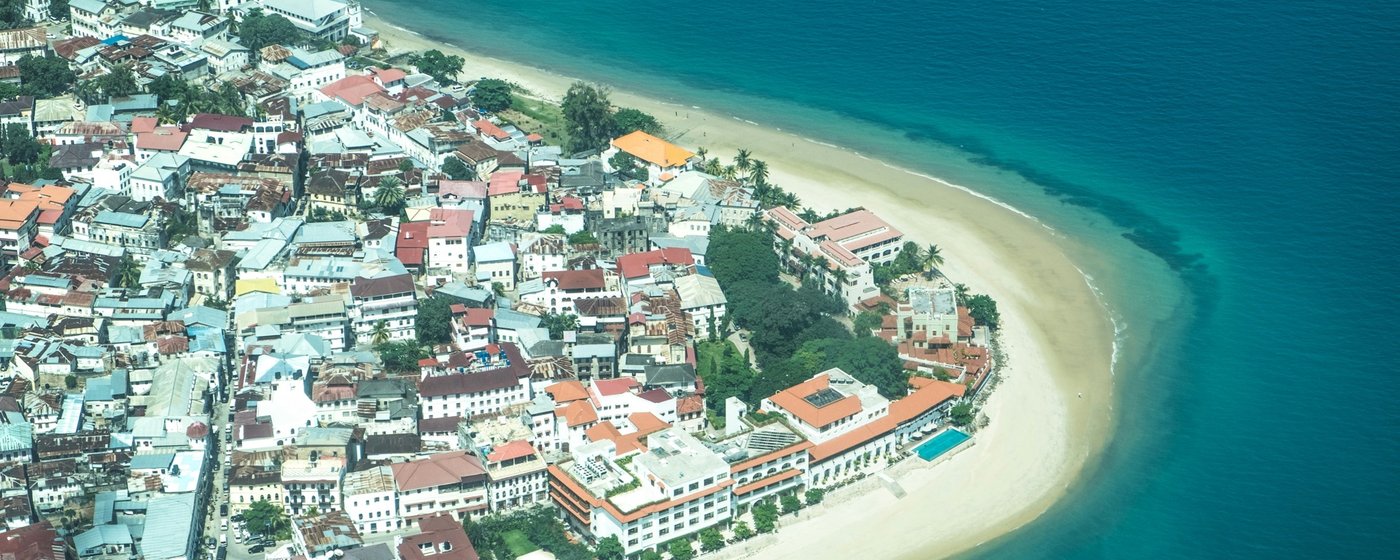
Zanzibar is a self-governing island region of Tanzania with about 1.9 million people, where Swahili is the everyday language and tourism earns most foreign money. It suits skilled hotel, resort and dive staff, but the law puts Tanzanians first, so line jobs are very hard for foreigners to get.
Who hires
Resorts on Unguja, the main island, Stone Town hotels and dive centres hire most foreign staff. About 917,000 international visitors came in 2025.
Zanzibar issues its own work permits; a mainland Tanzania permit is not valid here. An employer may hire a foreigner only when no qualified Tanzanian is available. The Labour Commissioner issues it for one employer, up to 12 months at a time, usually four years in all. Investment projects apply via the Zanzibar Investment Promotion Authority (ZIPA) before you arrive. Foreign staff are usually capped at 10% of employees, and the employer must train a local successor. A Class B residence permit from Immigration costs USD 2,000, or USD 500 for East African Community citizens such as Kenyans. Ask in writing who pays.
When hiring happens
Visitors peak in July, August, December and January. April and May, the long rains, are quietest.
Where you live and what it costs
Pay is in Tanzanian shillings (TZS), or often US dollars for foreign specialists. The minimum wage is TZS 347,000 a month in 2026 (about USD 130) in the private sector. Income tax is nothing up to TZS 270,000 a month (about USD 100), then 8% to 30%. You also pay 7% to the Zanzibar Social Security Fund.
Resort adverts for foreign managers and chefs often include staff housing, meals and a yearly flight home. By law, an employer who brought you from abroad pays your journey home when the contract ends.

Daily life
Most people are Muslim. Dress modestly outside resorts, covering shoulders and knees; breaking the local dress code can bring a fine. In Ramadan, do not eat or drink in public outside hotels and restaurants. Some local laws are strict, including on same-sex relationships; read your government's travel advice before you go. Medical care is limited, so ask who pays health and evacuation insurance.
Getting there and around
Flights land at Abeid Amani Karume International Airport; ferries run to Dar es Salaam. Use licensed ferry companies and do not board a boat that looks overloaded.
What to watch for
- Get both permits before you travel. A tourist visa does not allow work, and working without a permit is a crime.
- Changing employer without the Labour Commissioner's approval can cancel your permit.
- Take care in Stone Town and on quiet beaches, especially after dark.
- Read your own government's travel advice for Tanzania before you travel.
Never pay anyone for a job offer or a visa.
Before you apply
Below this guide, "Can I work in Zanzibar?" gives the answer for your passport, and "What the job usually comes with" covers housing, meals, flights and leave.
Can I work in Zanzibar?
Never pay anyone for a visa or a job offer. A real employer pays the permit costs and never asks you for money.
How it works
How it works: Zanzibar's own work permit, only if no qualified Tanzanian fits, then a Class B residence permit; tied to one employer. The work permit comes from Zanzibar's Labour Commissioner, the residence permit from Tanzania's Immigration.
Watch for: A mainland Tanzania work permit does not cover a job in Zanzibar.
Official source: Immigration Services Department: residence permit guidelines (Class B). Checked November 2026.
What the job usually comes with in Zanzibar
Usual for Zanzibar, varies by employer. Checked November 2026.
| Housing | Often provided for foreign resort staff |
|---|---|
| Meals | Often included for live-in staff |
| Flights | Return home at contract end (by law); yearly ticket often |
| Service charge | Varies |
| Contract | Written, attested contract; permit up to 1 year, renewed |
| Leave | 21 days a year (by law) |
| Income tax | 0% up to TZS 270,000 a month, then 8% to 30% |
Senior staff often get more than line staff, for example a single room or a yearly home flight. Ask the employer what the job includes before you accept.
Guidance, not legal advice. Rules change; your employer confirms the details for your case.
Compare Zanzibar with another place
Weather and the work year
- Dry season: June to September
- Rainy season: March to May (long rains) and October to December (short rains)
- Storms: no regular cyclone season
- Daytime highs: about 28.5 °C in July to 33 °C in February
- Busiest for guests: July, August, December and January
- Quietest: April and May
Zanzibar tourism is strongly seasonal. In April and May, the long rains, many hotels close for renovations or staff training.
Sources: Tanzania Meteorological Authority, Zanzibar climate averages (WMO), Tanzania Meteorological Authority: March to May bulletin, Daily News: the short rains, The Conversation: Tanzania's cyclones, OCGS figures, in TanzaniaInvest, OCGS figures, in The Citizen, USDA: Zanzibar hotel market report
Money: pay, banking and sending money home
- Currency: Tanzanian shilling (TZS). US dollars are widely accepted in tourist areas.
- Sending money home: through a licensed bank, or a money transfer operator approved by the Bank of Tanzania.
- Be careful: use cash machines inside banks, to lower the risk of card copying, and do not carry large amounts of cash.
Compare the cost of sending money to your home country: World Bank, Remittance Prices Worldwide.
Sources: UK Foreign Office travel advice, Bank of Tanzania (2)