Your pelican has landed in Réunion
Here is what you should know before you go.
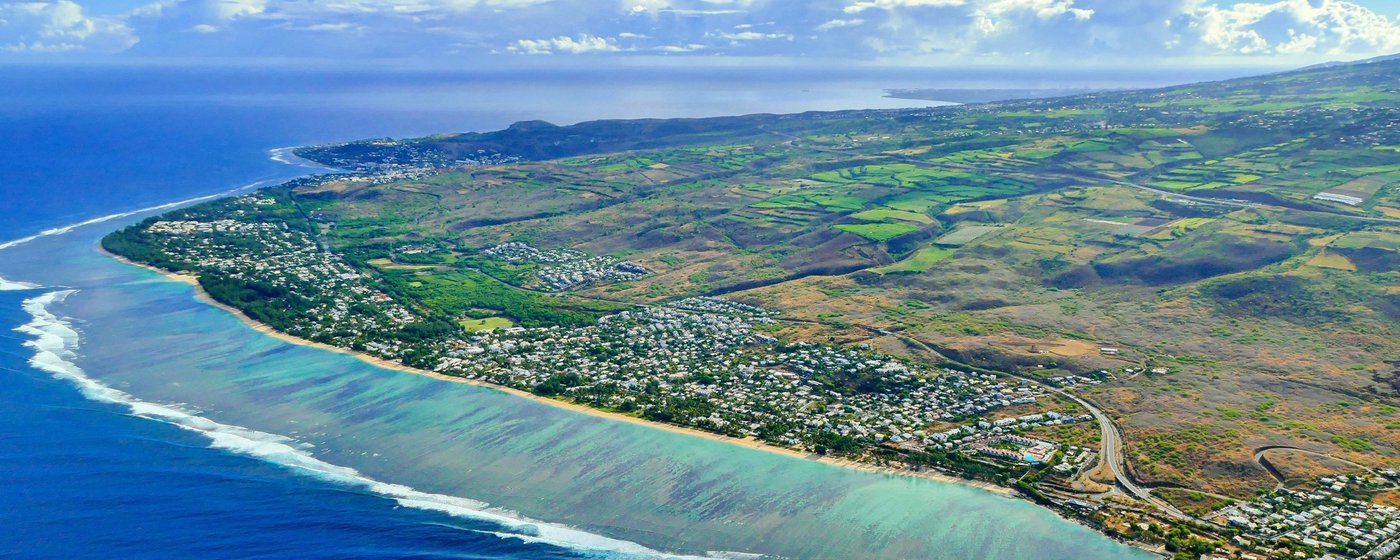
Réunion is a French island in the Indian Ocean of about 911,000 people, part of the EU, where French is the working language. It suits EU citizens seeking hotel and restaurant jobs; for most others line jobs are very hard to get, and unemployment was about 19% in mid-2026.
Who hires
At the end of 2025 the island had 70 hotels and 27 other tourist residences, with about 3,800 rooms.
EU, European Economic Area (EEA) and Swiss citizens need no work permit. Réunion is outside the Schengen area.
For most others the employer must obtain a work authorisation before you apply for a visa. It is granted only for a job on Réunion's own shortage list, or after a 3-week advert finds no suitable applicant. The 2026 list has only some manager jobs, and no hotel or kitchen jobs.
The EU Blue Card, for highly paid, highly qualified staff, needs no work authorisation. Dive instructors need a French state diploma; EU and EEA citizens can declare an EU or EEA qualification instead.
When hiring happens
Visitors come all year. In 2021, 63% of hotel and restaurant jobs were permanent.
Where you live and what it costs
Pay is in euros (EUR). The minimum wage is EUR 1,867.02 a month before deductions in 2026 (about USD 2,050), for 35 hours a week; the net is about EUR 1,478 (about USD 1,630).
Prices were about 9% higher than in mainland France in 2022, and food about 37% higher.
The government's 2025 rent map, built from adverts, puts a 37 m2 flat, charges included, at about EUR 812 a month in Saint-Paul, home of the west-coast resorts (about USD 895). In Saint-Denis it is about EUR 633 (about USD 695).
Income tax is cut by 30% for residents, by up to EUR 2,450 a year (about USD 2,690).

Daily life
Hours beyond 35 a week are overtime; the limit is 48 hours. Paid leave is 5 weeks a year. Health insurance runs through the island's social security fund (CGSS).
Getting there and around
Roland Garros airport handled about 2.8 million passengers in 2025. The island bus network, Car Jaune, charges EUR 2 a trip (about USD 2.20).
What to watch for
- A work authorisation is tied to one job, and one from mainland France does not cover Réunion. The employer, not you, pays the permit tax.
- Cyclones can strike from November to April; follow the local alert levels and your employer's instructions.
- Because of sharks, swim only in the lagoons and other areas local authorities say are safe.
- Dengue and chikungunya, spread by mosquitoes, are a risk.
- Read your own government's travel advice for Réunion before you travel.
Never pay anyone for a job offer or a visa.
Before you apply
Below this guide, "Can I work in Réunion?" gives the answer for your passport, and "What the job usually comes with" covers housing, meals, flights and leave.
Can I work in Réunion?
Never pay anyone for a visa or a job offer. A real employer pays the permit costs and never asks you for money.
How it works
How it works: EU citizens need no permit. Others need an employer-filed work authorisation: Réunion's own shortage list (some manager jobs only) or a 3-week advert.
Watch for: Réunion is outside the Schengen area, and a permit for mainland France does not cover Réunion.
Official source: Service-public.fr: work authorisation for a foreign employee. Checked November 2026.
What the job usually comes with in Réunion
Usual for Réunion, varies by employer. Checked November 2026.
| Housing | Not usually; no legal duty |
|---|---|
| Meals | Varies by employer |
| Flights | Not standard |
| Service charge | Service included in prices; tips optional |
| Contract | Mostly permanent contracts |
| Leave | 5 weeks; 35-hour legal week |
| Income tax | Progressive, cut by 30% for residents (up to EUR 2,450); about 21% social charges |
Senior staff often get more than line staff, for example a single room or a yearly home flight. Ask the employer what the job includes before you accept.
Guidance, not legal advice. Rules change; your employer confirms the details for your case.
Compare Réunion with another place
Weather and the work year
- Summer: November to April, hot and humid
- Winter: May to October, mild
- Dry season: May to November
- Rainy season: January to March
- Storms: cyclone season, November to April
- Daytime highs: on the coast, about 25 to 27 °C in winter to 30 to 32 °C in summer
Sources: Météo-France La Réunion: climate, Météo-France La Réunion: cyclones, Météo-France La Réunion: rainfall and temperatures
Money: pay, banking and sending money home
- Currency: Euro (EUR).
- How you are paid: once a month (at least every 15 days for seasonal and temporary staff), by transfer to an account in your name or by crossed cheque, with a payslip; in cash only under EUR 1,500 and if you ask. If a bank refuses you an account, IEDOM, the central bank's office in Réunion, names a bank that must open a free basic one.
- Sending money home: by bank transfer (online transfers in euros are often free), or through a payment company licensed by the ACPR. The REGAFI register shows who is licensed.
- Limits: in November 2026, no limit on money sent out by bank transfer. Cash of EUR 10,000 or more must be declared. Ask your bank what the limit is now.
- Be careful: be wary of urgent payment requests: confirm them by calling a number you already trust, and never give bank details by phone, text or email. If you paid a fraudster, tell your bank at once.
Compare the cost of sending money to your home country: World Bank, Remittance Prices Worldwide.
Sources: IEDOM (2) (3), Service-Public, ABE Info Service (Banque de France), French Customs